
What Is Hoopers? A Beginner’s Guide to This Fun Dog Sport
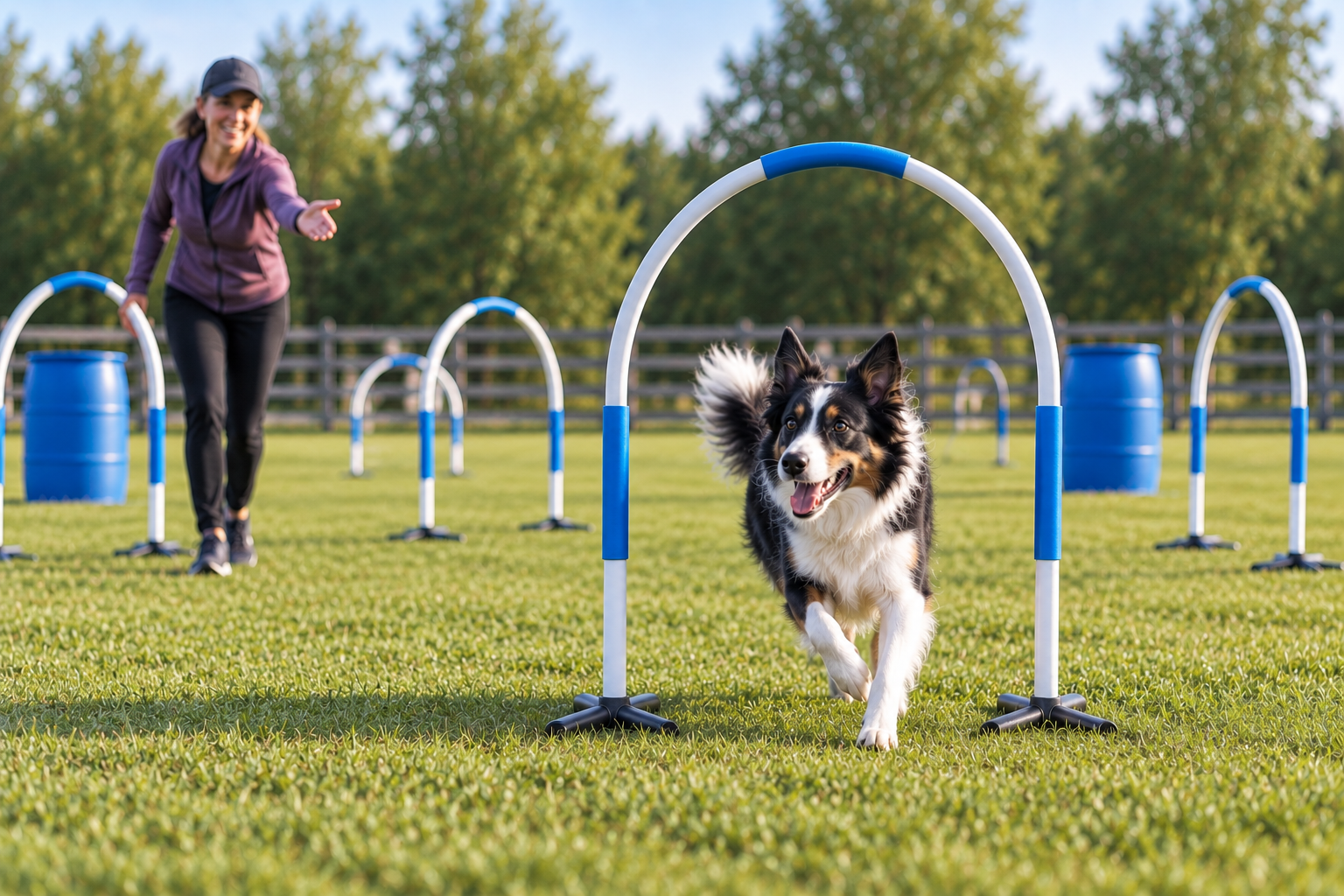
Hoopers is a fun, flowing dog sport where dogs navigate hoops, barrels, tunnels and gates while being directed by their handler. With no jumps or weave poles and an emphasis on distance handling, Hoopers offers an exciting opportunity for dogs and handlers of many different ages, abilities and experience levels.
How Do I Trim My Dog's Nails?
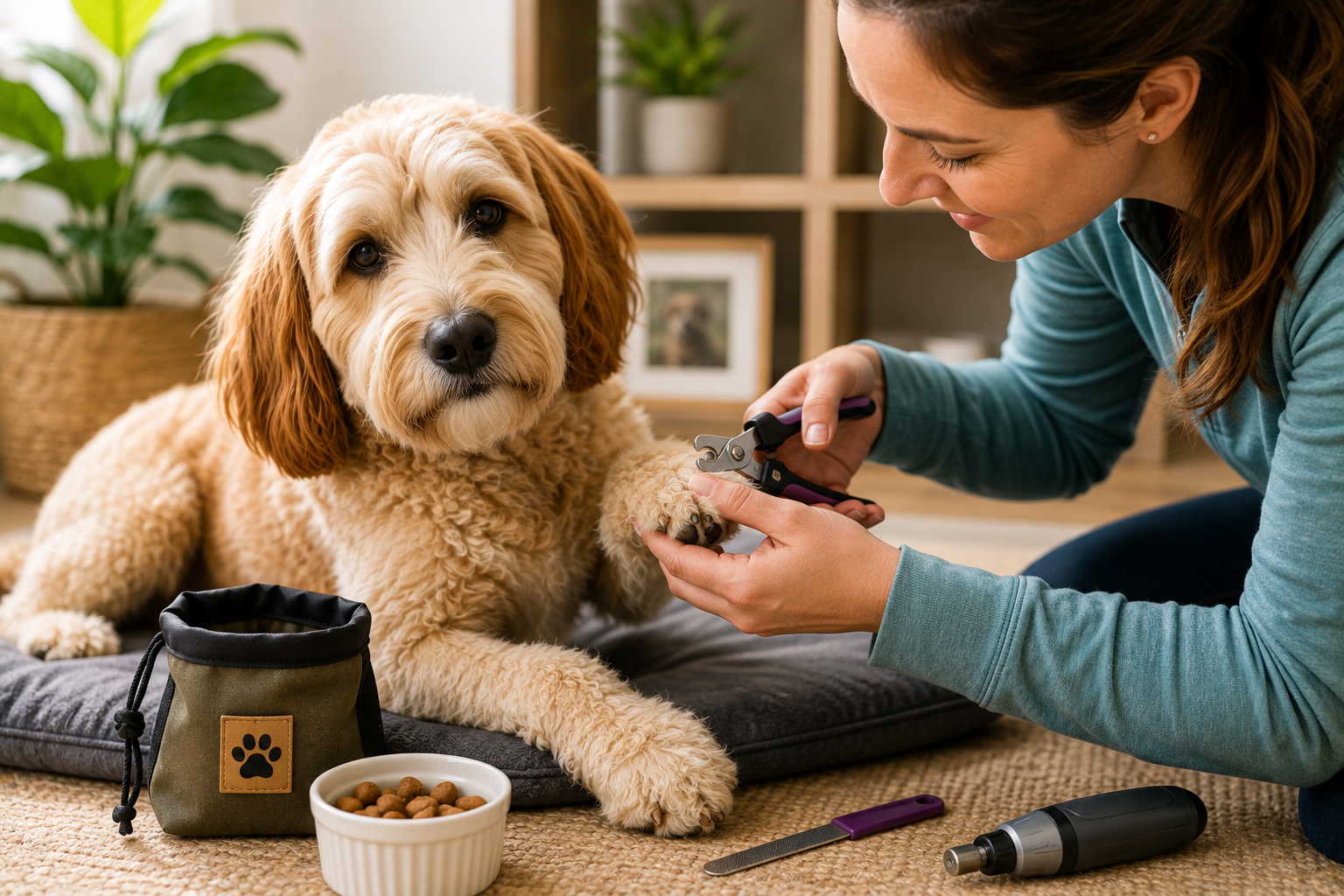
Nail trimming doesn’t have to become a wrestling match. Learn how to safely trim your dog’s nails, introduce clippers or a grinder gradually, recognize the quick, use positive reinforcement and help your dog to become a willing participant in their own nail care.
How Do I Stop My Dog From Counter Surfing?
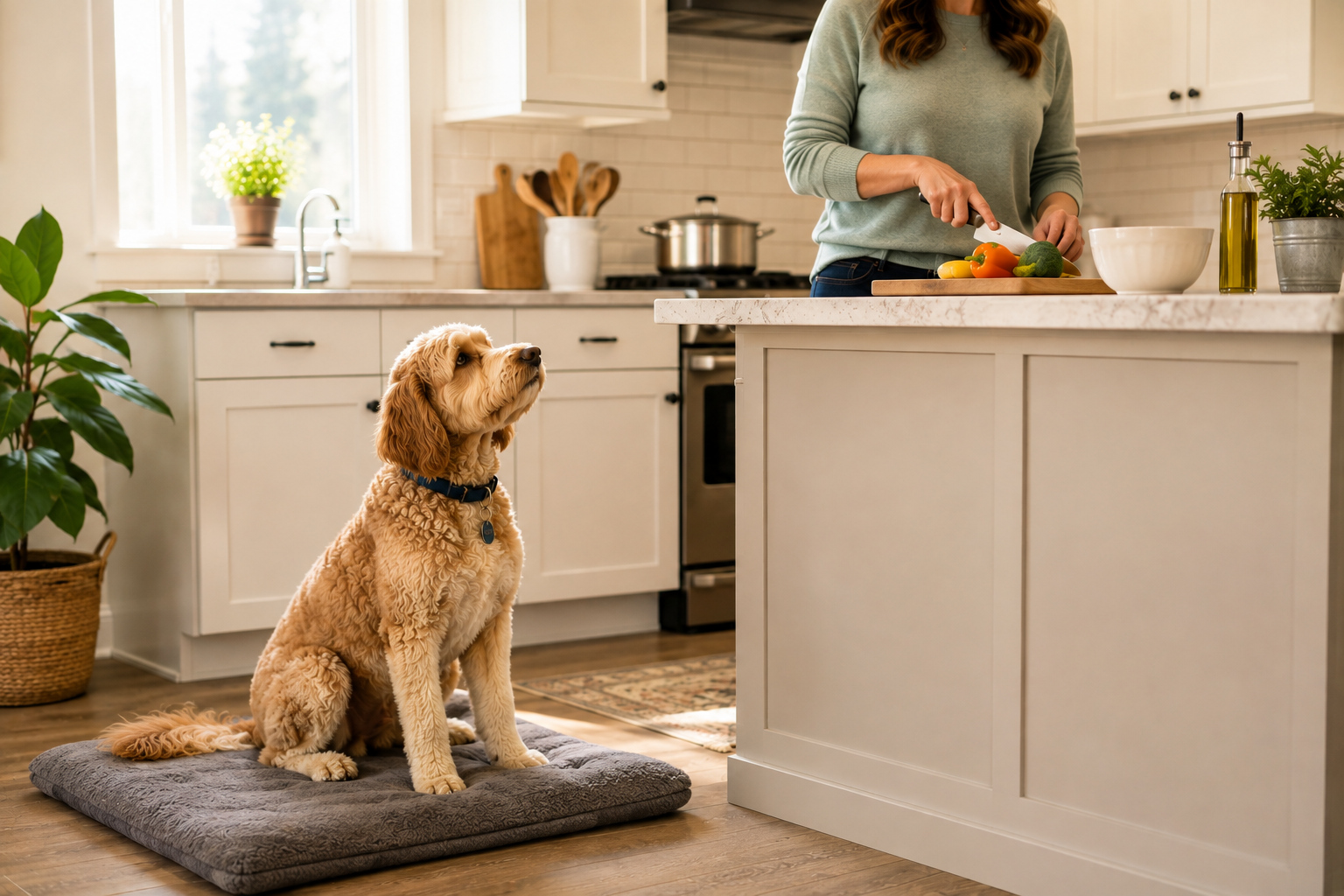
Counter surfing can become a persistent habit because occasionally finding food makes checking the counter worthwhile. Learn how management, positive reinforcement and teaching your dog an alternative behaviour such as settling on a bed can help keep four paws on the floor—and your dinner on the counter.
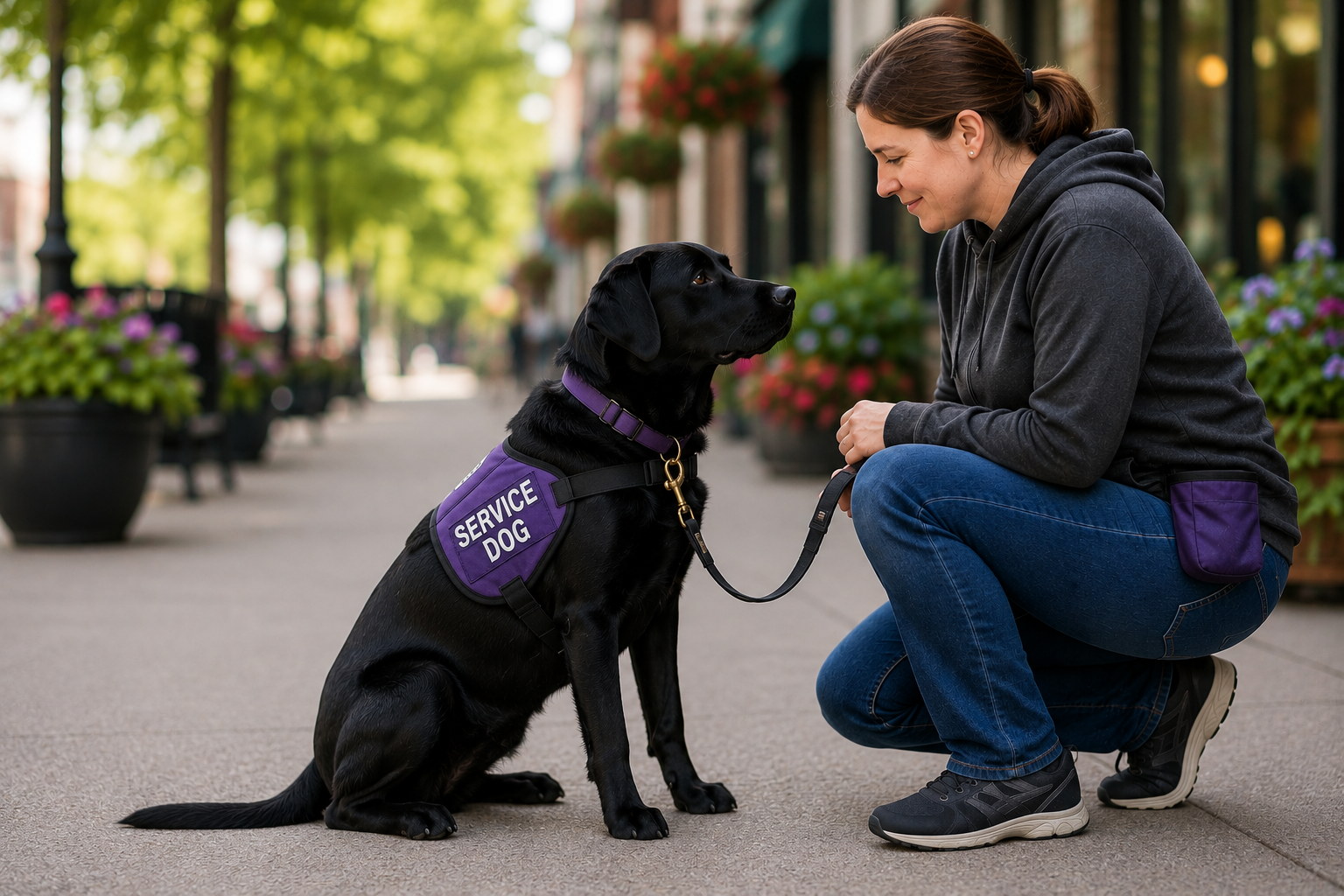
Owner-Trained Service Dogs: What’s Involved and How Professional Training Can Help
Considering an owner-trained service dog? Learn about foundation training, public access skills, disability-related tasks, suitability, time-lines, and how Paus-n-Train supports psychiatric and PTSD service dog teams through individualized one-to-one training.
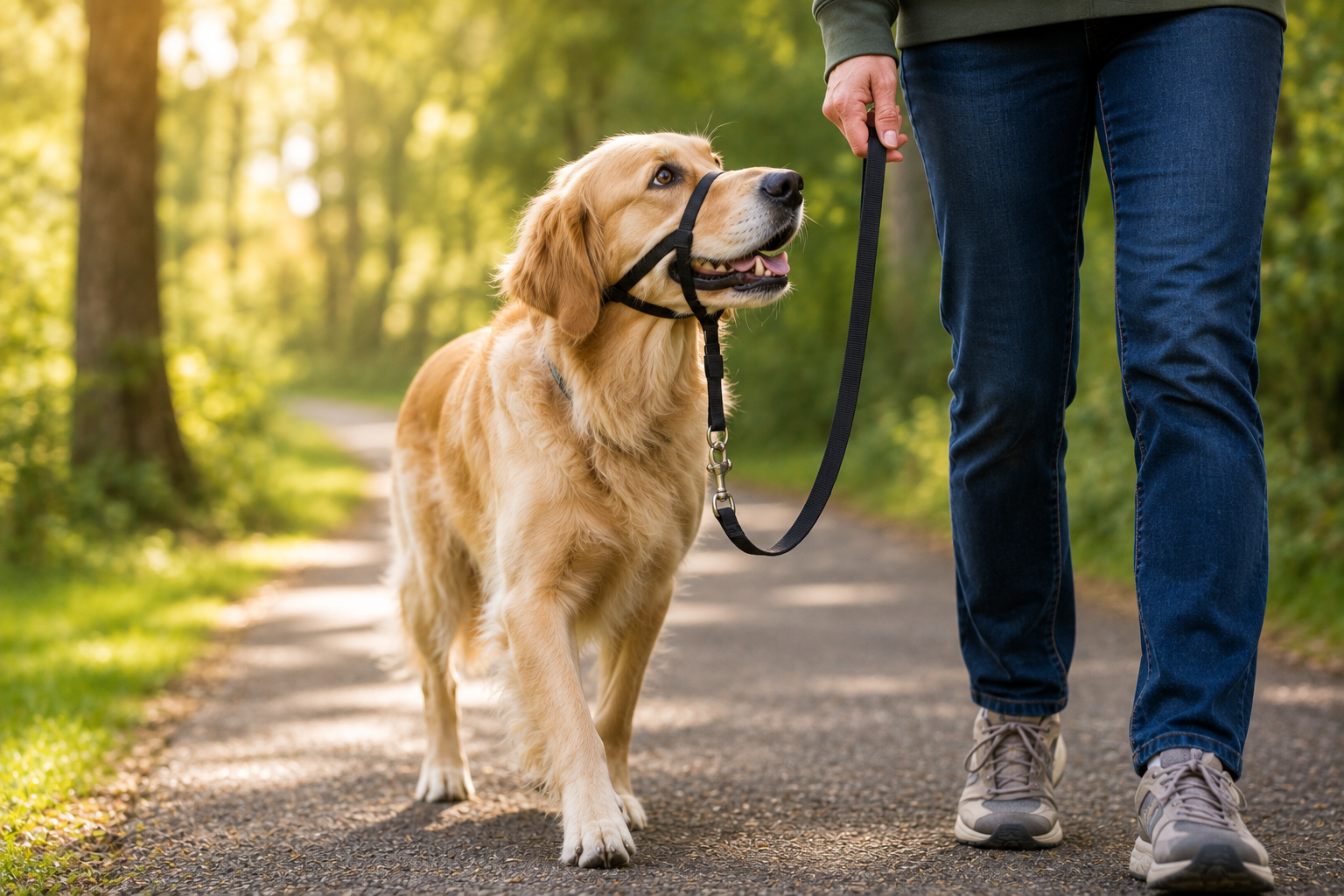
Are Head Collars Effective for Dogs—and How Do I Introduce One?
A head collar can give some handlers greater control of a strong or pulling dog, but it shouldn’t replace loose-leash training. Learn how head collars work, their benefits and their limitations, and how to introduce one gradually so your dog can become comfortable wearing it.
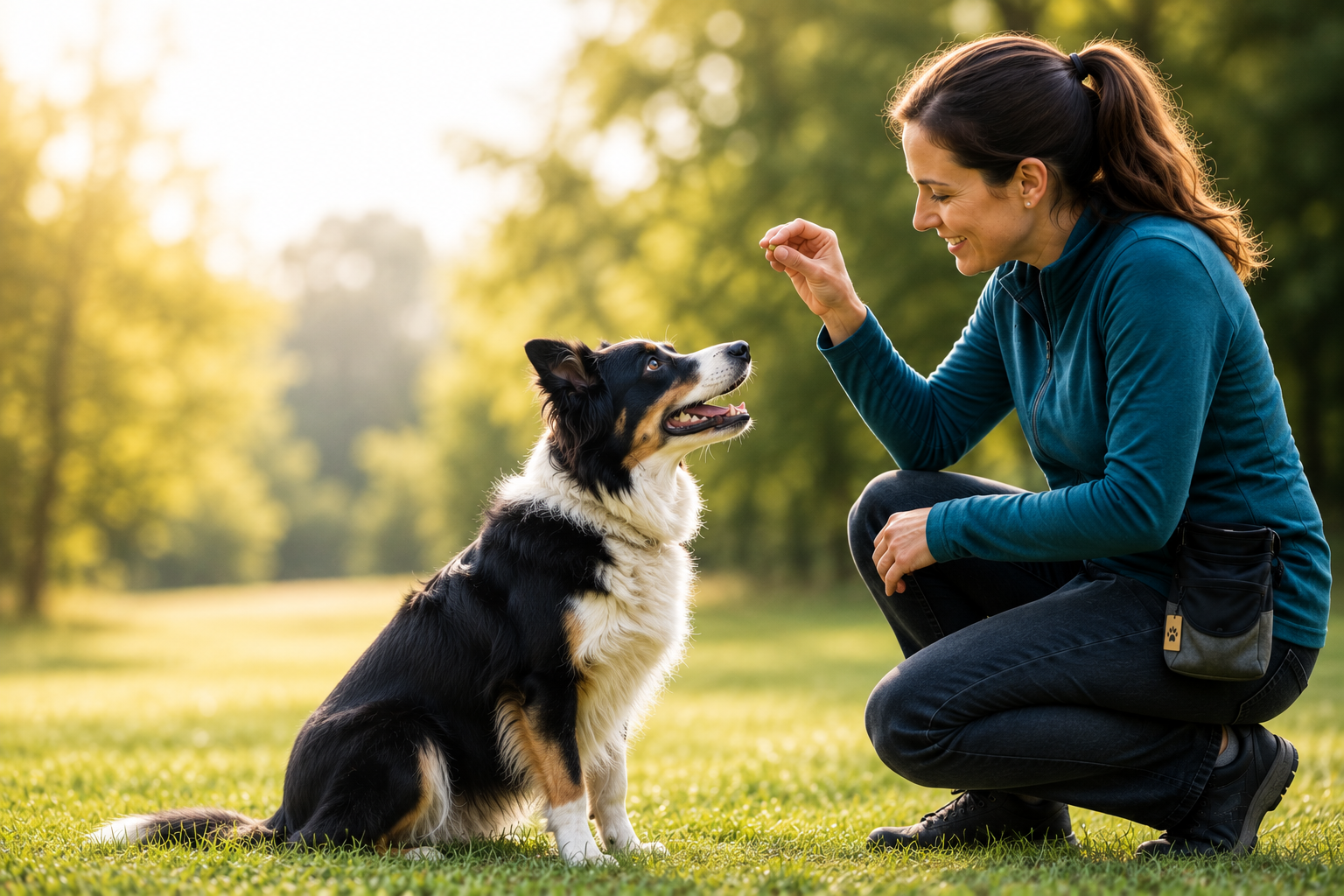
What Can We Learn From Evidence-Based, Positive Reinforcement Dog Training?
Positive Reinforcement dog training teaches us much more than how to train dogs. Discover how understanding behaviour, motivation, communication and learning can help us become better teachers, recognize success, respond differently to mistakes and build stronger relationships with our dogs
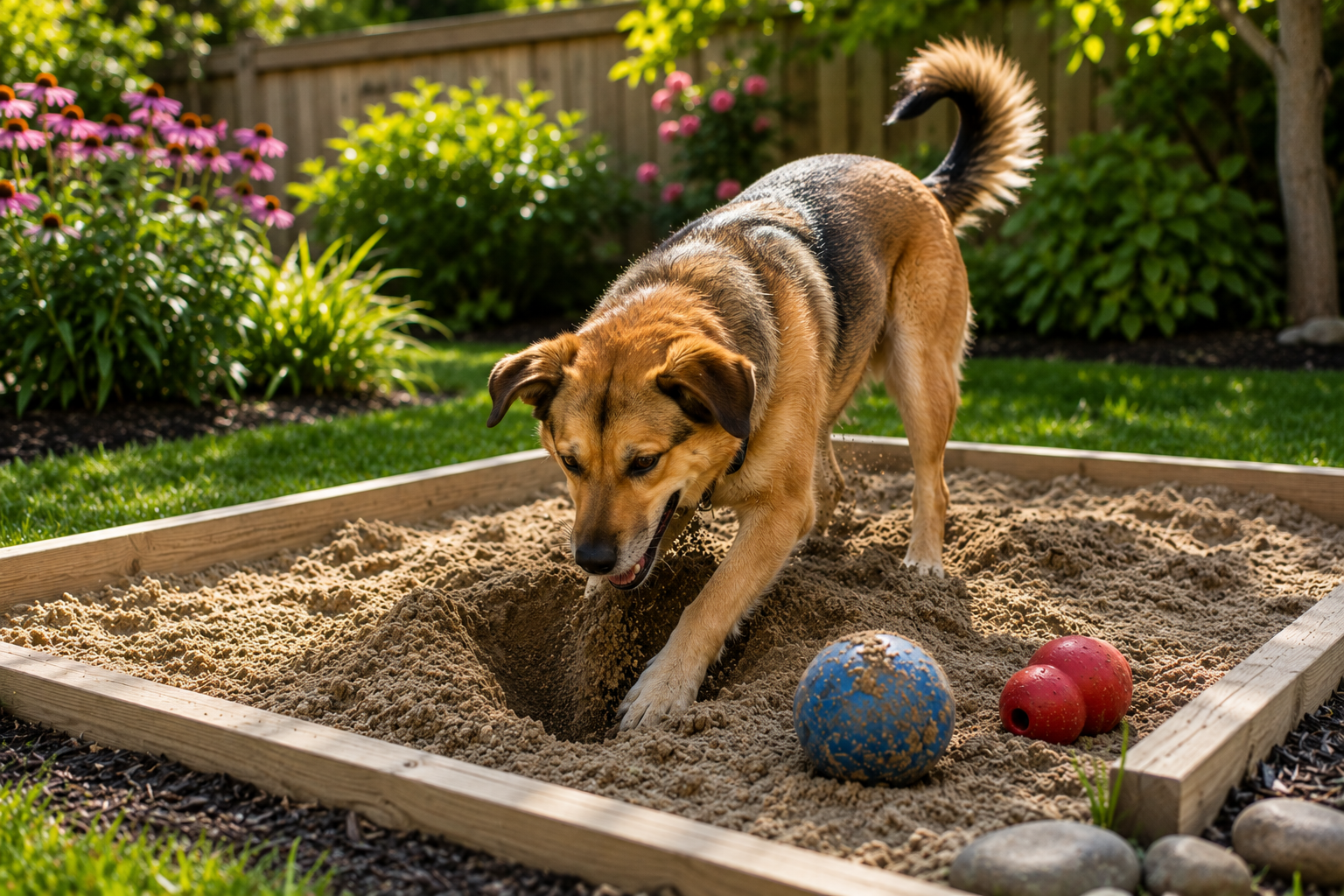
How Do I Prevent and Manage Digging?
Digging is a normal dog behaviour, but that doesn’t mean your garden has to suffer. Learn why dogs dig, how to prevent unwanted digging, when enrichment may help and how a designated digging area can give your dog an appropriate outlet.
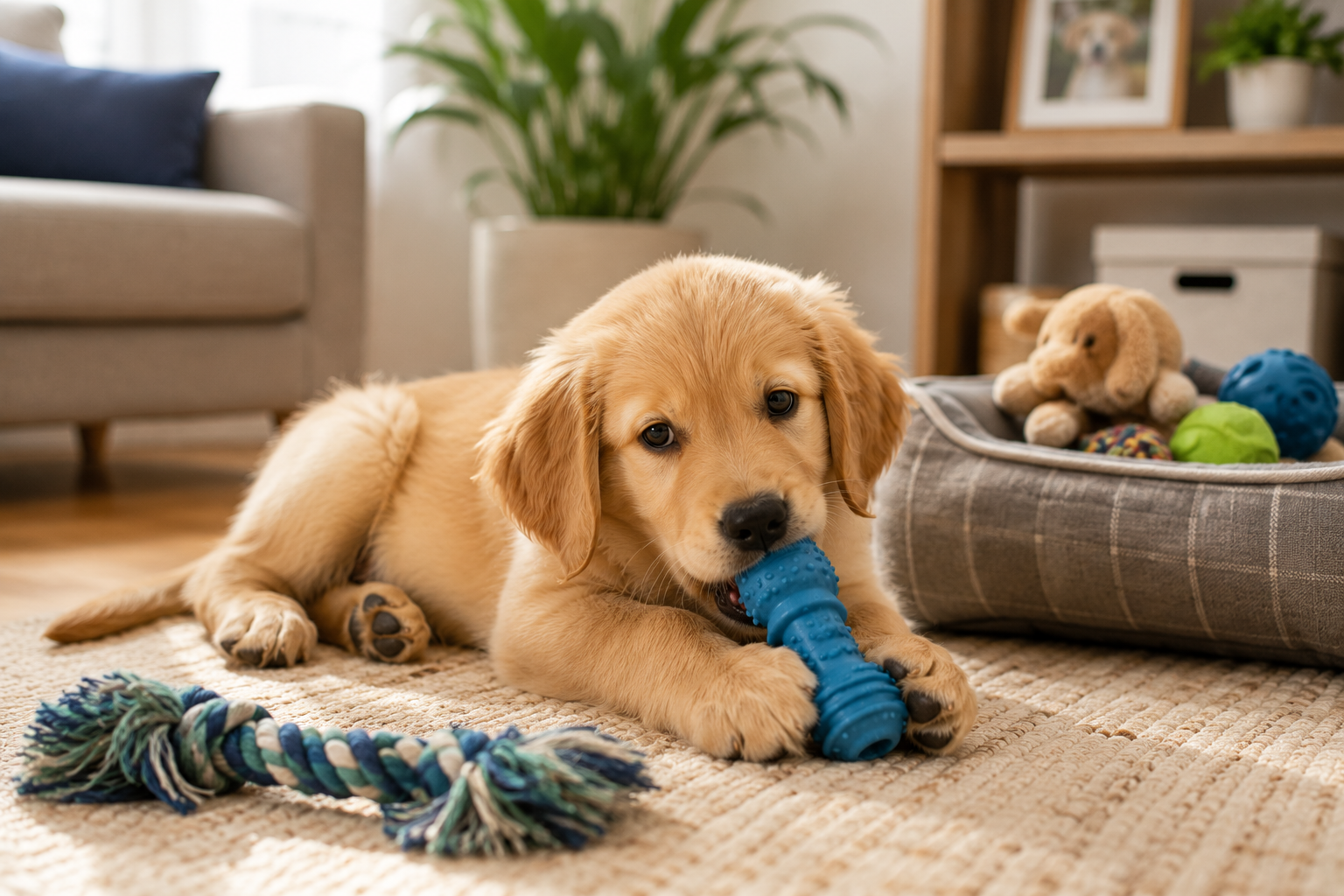
How Do I Prevent and Manage Destructive Chewing?
Chewing is a normal dog behaviour - the goal isn’t to stop it entirely, but to help your dog learn what is appropriate to chew. Discover how puppy-proofing, supervision, enrichment, appropriate chews and positive reinforcement can prevent destructive chewing while building better habits.
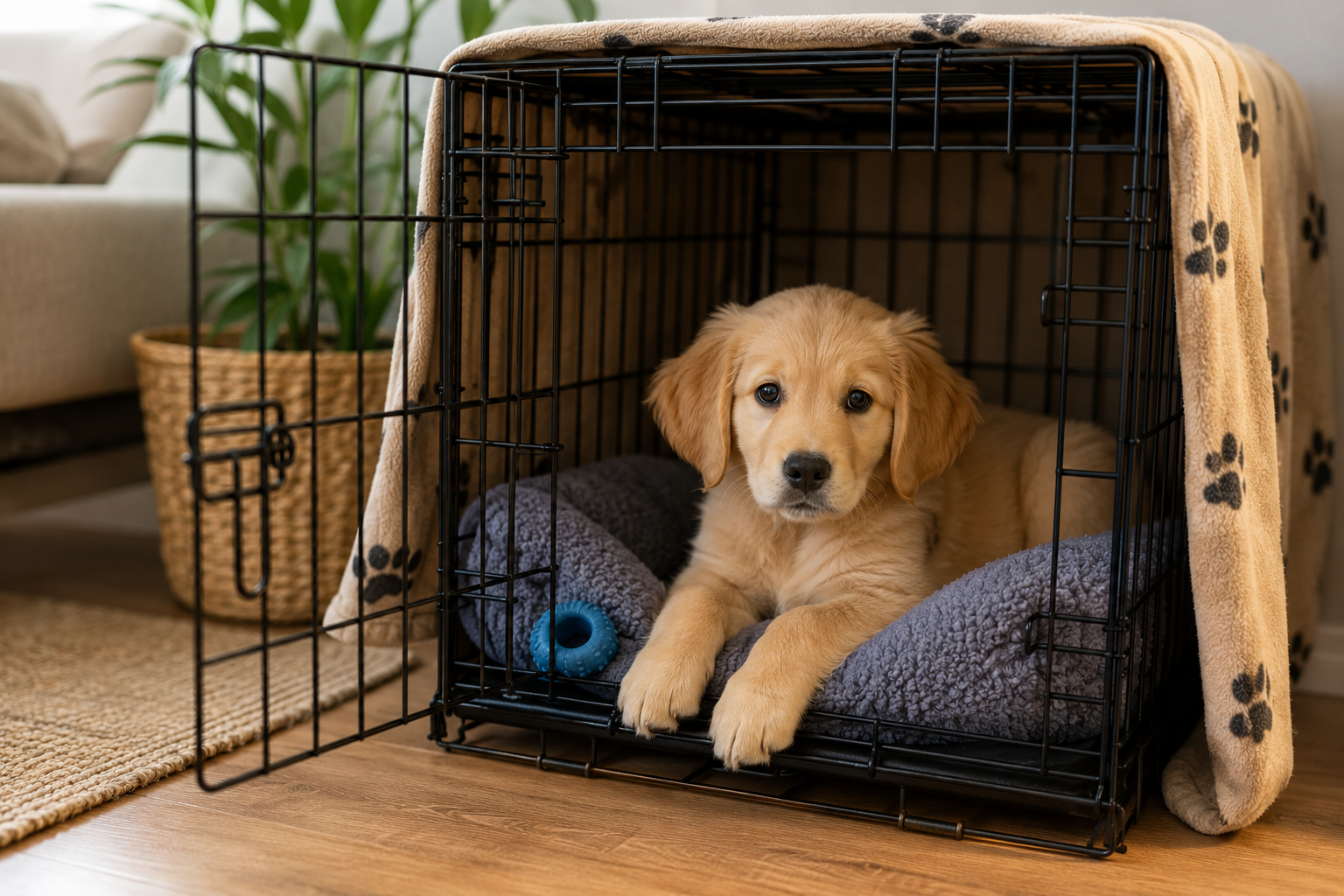
How Do I Crate Train My Puppy?
Crate training should teach your puppy that their crate is a safe, comfortable place to relax - not somewhere they’re sent to as punishment. Learn how to introduce the crate positively, build duration gradually, handle nighttime crating and respond appropriately if your puppy cries or becomes worried.
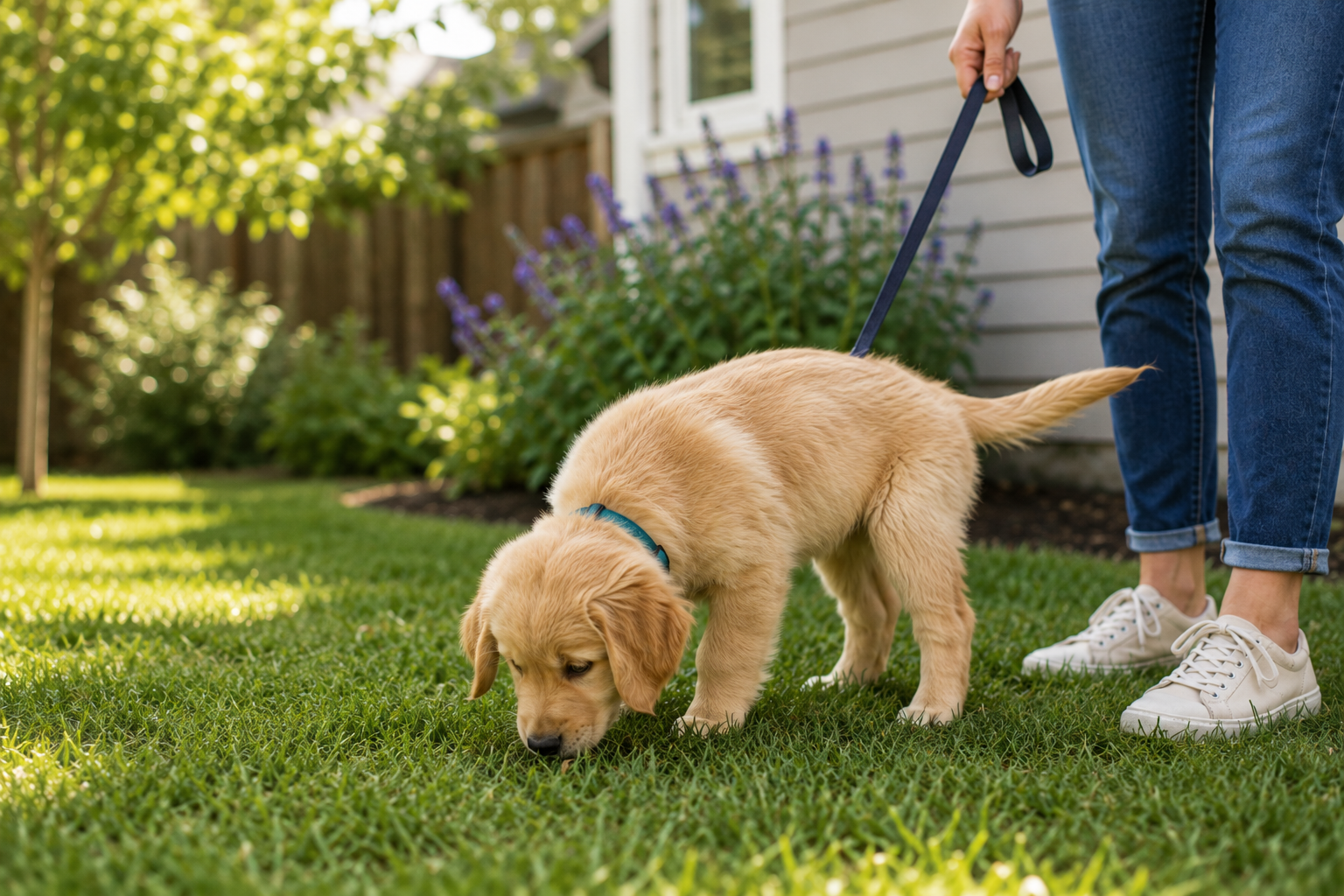
How Do I Housetrain My Puppy?
Housetraining a puppy is all about creating plenty of opportunities for success. Learn how frequent outdoor trips, close supervision, appropriate confinement, immediate rewards, and a consistent routine can help your puppy learn where to toilet—without punishment or frustration.
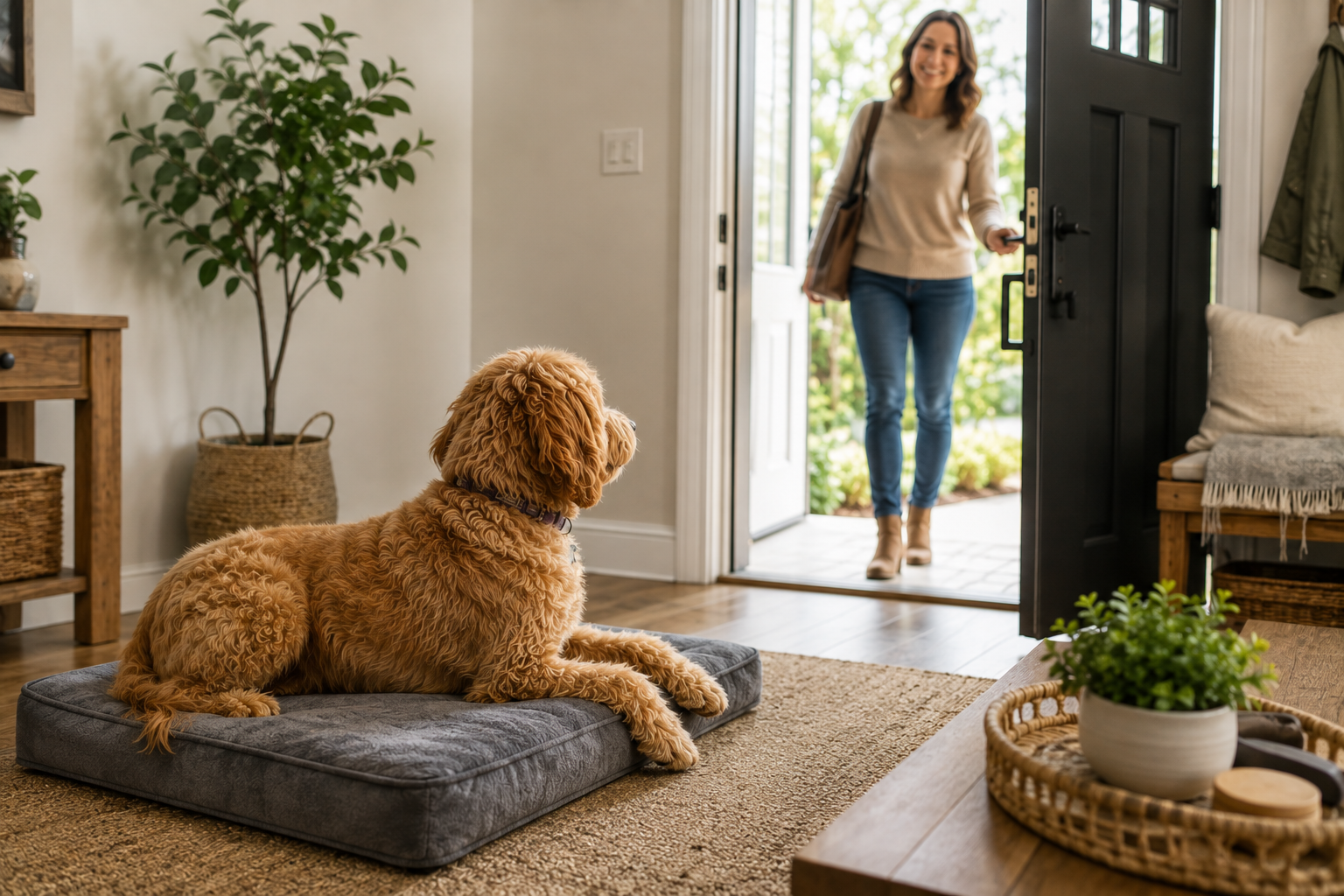
How Do I Stop My Dog From Jumping on Guests?
Does your dog turn every visitor's arrival into an enthusiastic jumping session? Instead of focusing on correcting the jump, teach your dog what you'd like them to do instead. Learn how preparation, management, positive reinforcement, and skills such as settling on a bed can help your dog develop calmer, more polite greetings—without yelling, pushing, or physical corrections.
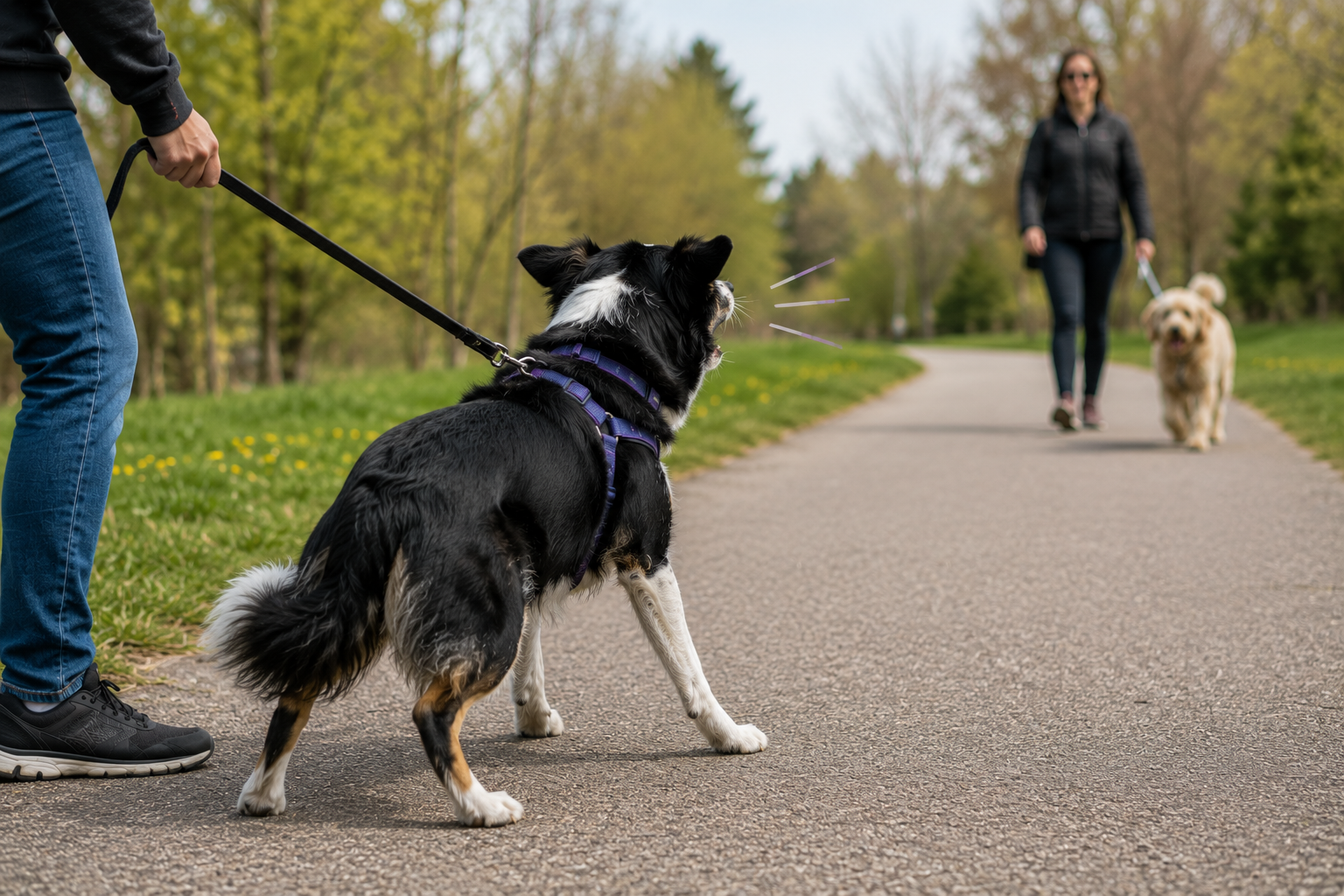
Why Is My Dog Reactive?
Why is my dog reactive?
Reactivity is often misunderstood. Dogs that bark, lunge, or growl aren't usually being stubborn or aggressive—they're communicating that they're feeling fearful, frustrated, anxious, or overwhelmed. Understanding the emotion behind the behaviour is the first step toward helping your dog feel more confident. Learn what causes reactivity, common mistakes to avoid, and positive, science-based strategies to help your dog succeed.
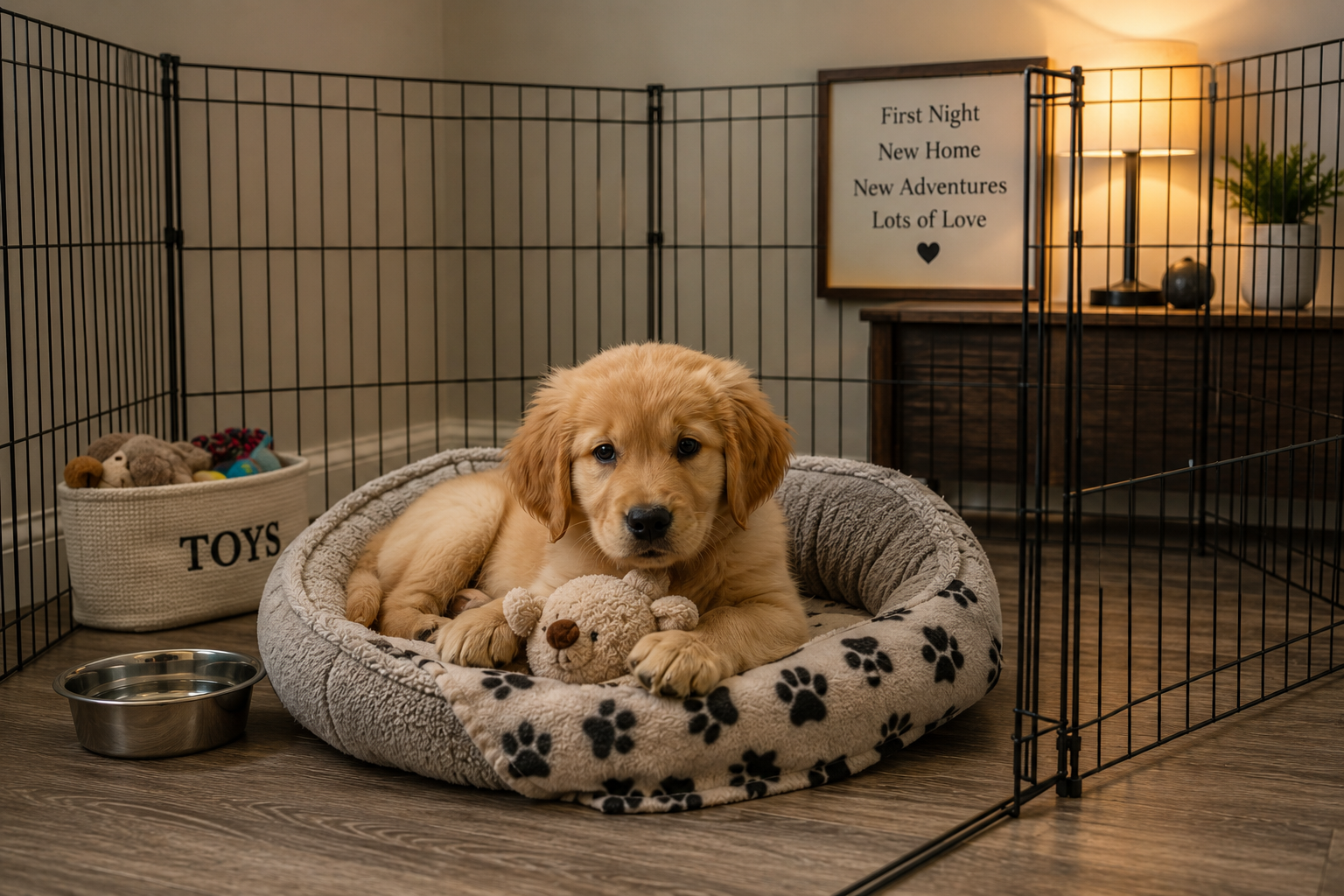
What should I do the first night with my puppy?
First Night With Your Puppy: Setting the Foundation for Success
Your puppy's first night at home is a big adjustment. They've just left everything familiar behind, so your focus should be on helping them feel safe, secure, and comfortable—not on teaching lots of commands.
Keep the environment calm, establish a simple routine, and provide plenty of opportunities for rest, short play sessions, and frequent bathroom breaks. If you're using a crate, introduce it positively by allowing your puppy to explore it at their own pace and creating positive associations with treats, meals, and enrichment toys.
Expect some whining, nighttime potty breaks, and a little uncertainty—these are all normal. Above all, be patient. Building trust and confidence during those first few days lays the foundation for a lifetime of learning together.